


Procedural UI
Shape your Unity UI without a texture for every variation.
A focused standalone tool for authoring responsive uGUI shapes and visual styles, with reusable pieces for your game's interfaces.
Is it a fit?
A starting point for your project.
For Unity developers working with uGUI who want to vary interface shapes and styling without maintaining a separate texture for each variation. The planned product can be adopted independently of a full Aether Solution.
In development
Before you plan around it
In development for Unity uGUI. This is not a UI Toolkit product. Supported Unity versions and render pipelines remain subject to release validation.
A design-to-Unity workflow
From concept to Unity.
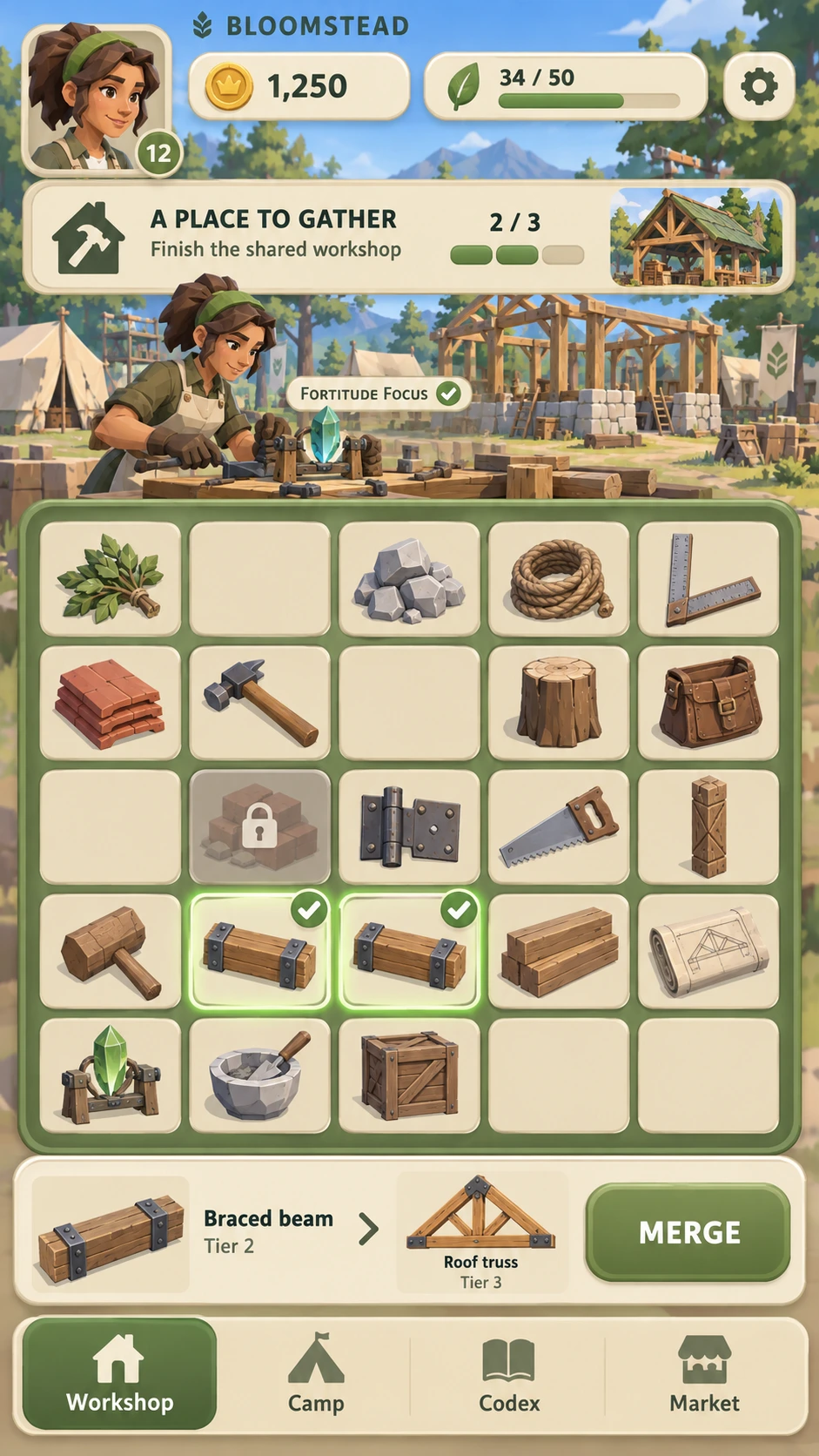
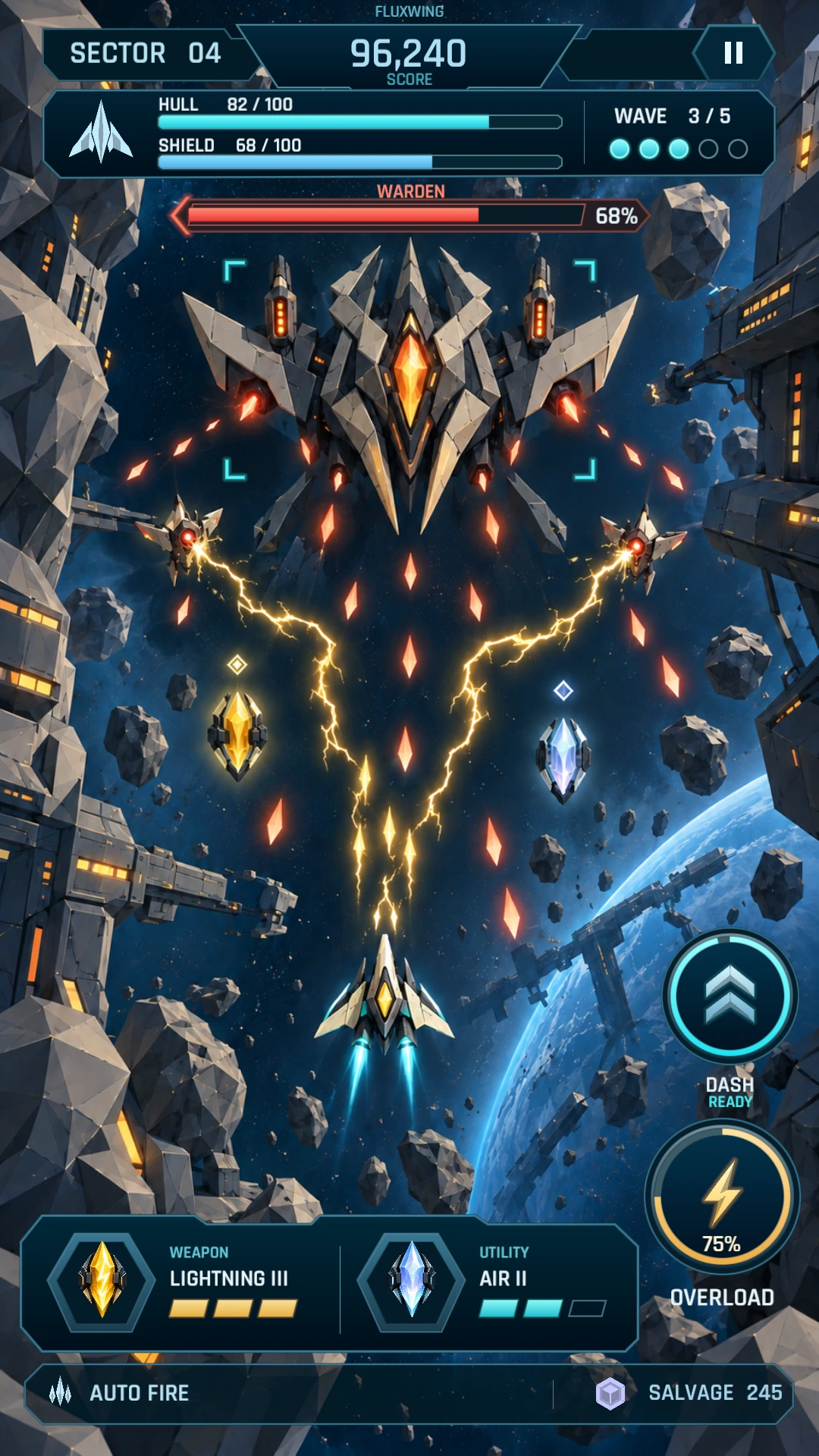
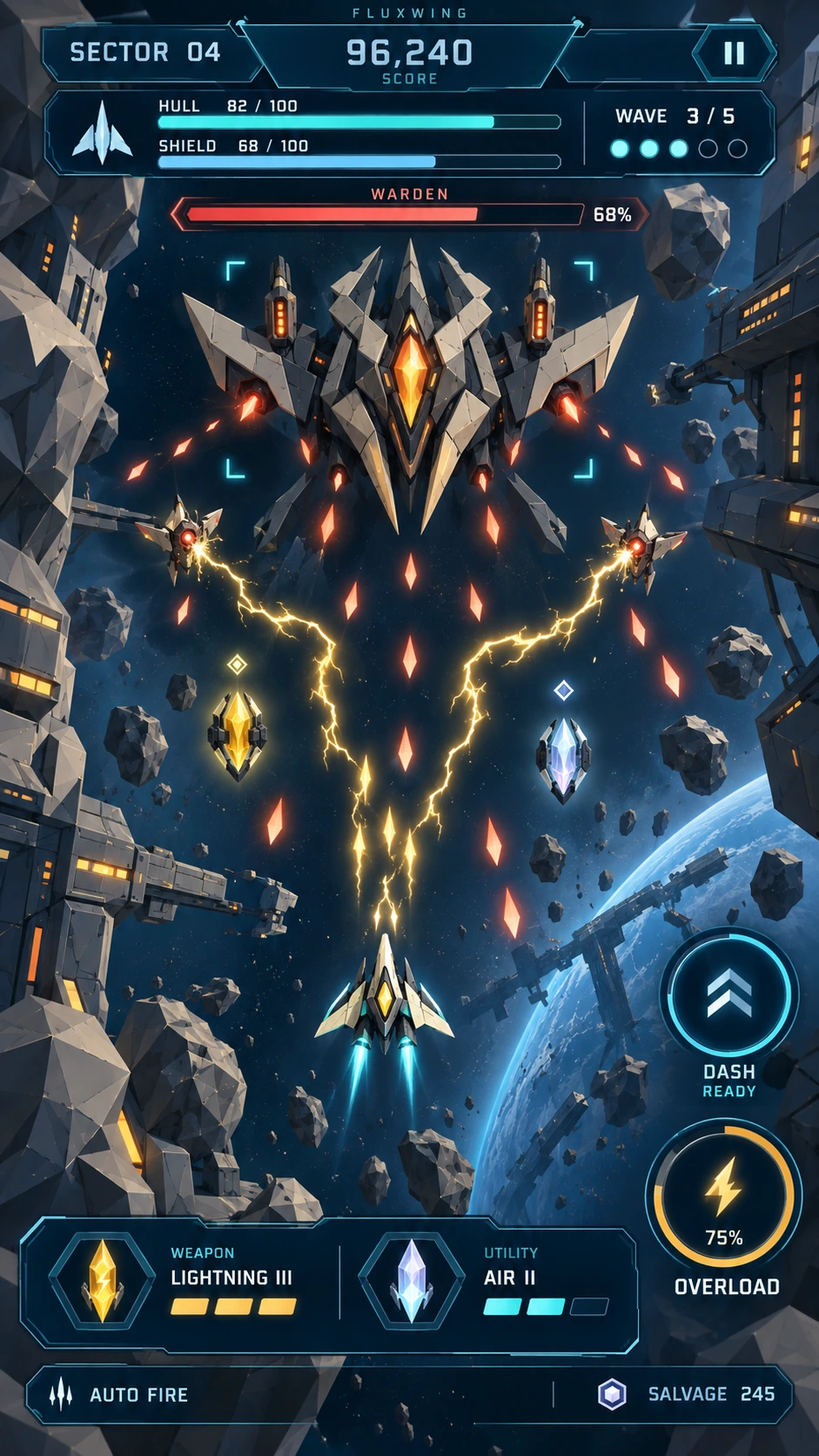
Give your agent a design and a prompt. Our Agent Usage guide explains how to build it in Unity with Procedural UI.
Built almost entirely with Procedural UI. Panels, meters, borders, gradients and effects in our Unity examples are procedural. Most icons and portraits use sprite artwork. These Unity examples are included as Samples in the Procedural UI package.
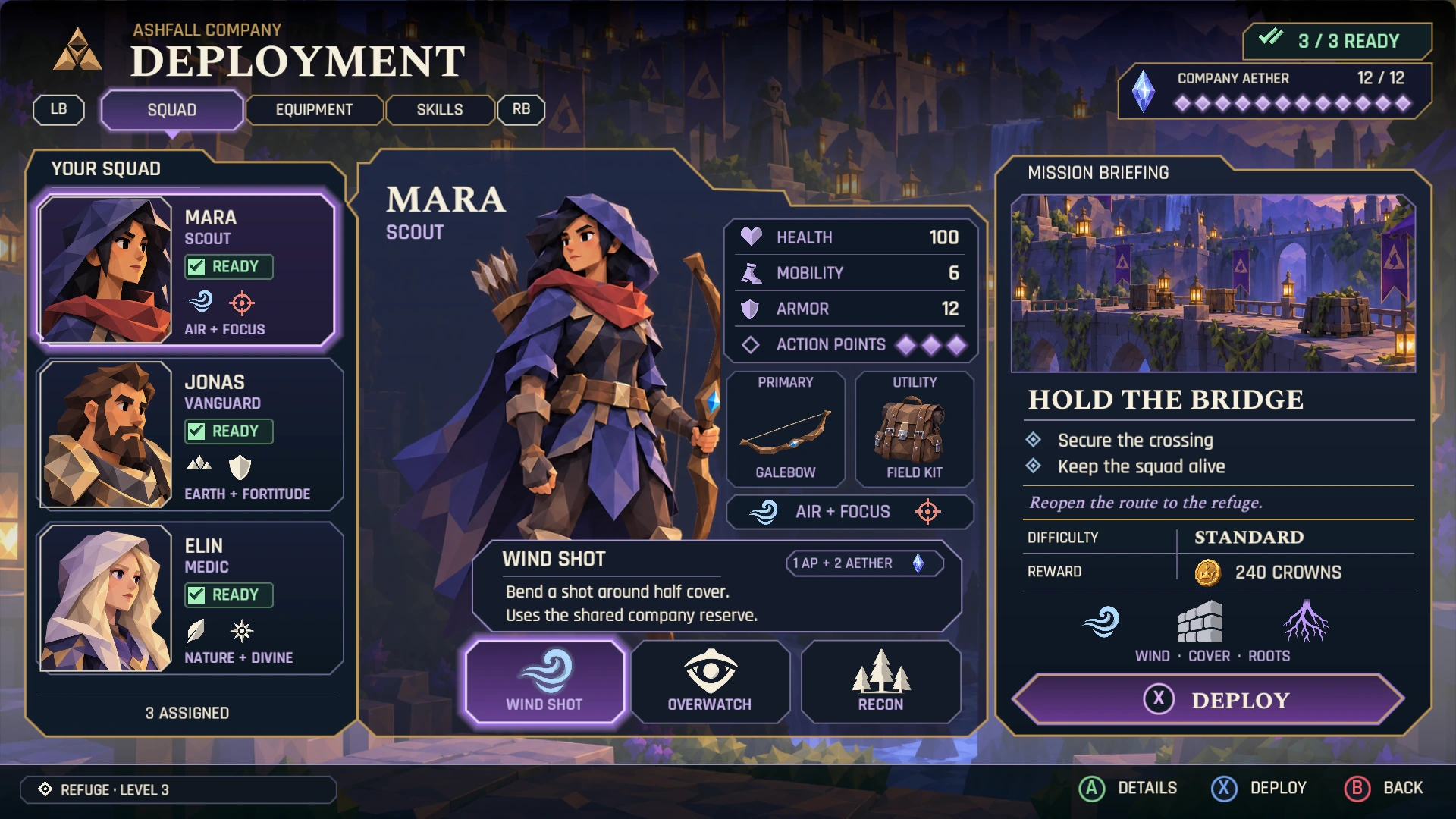
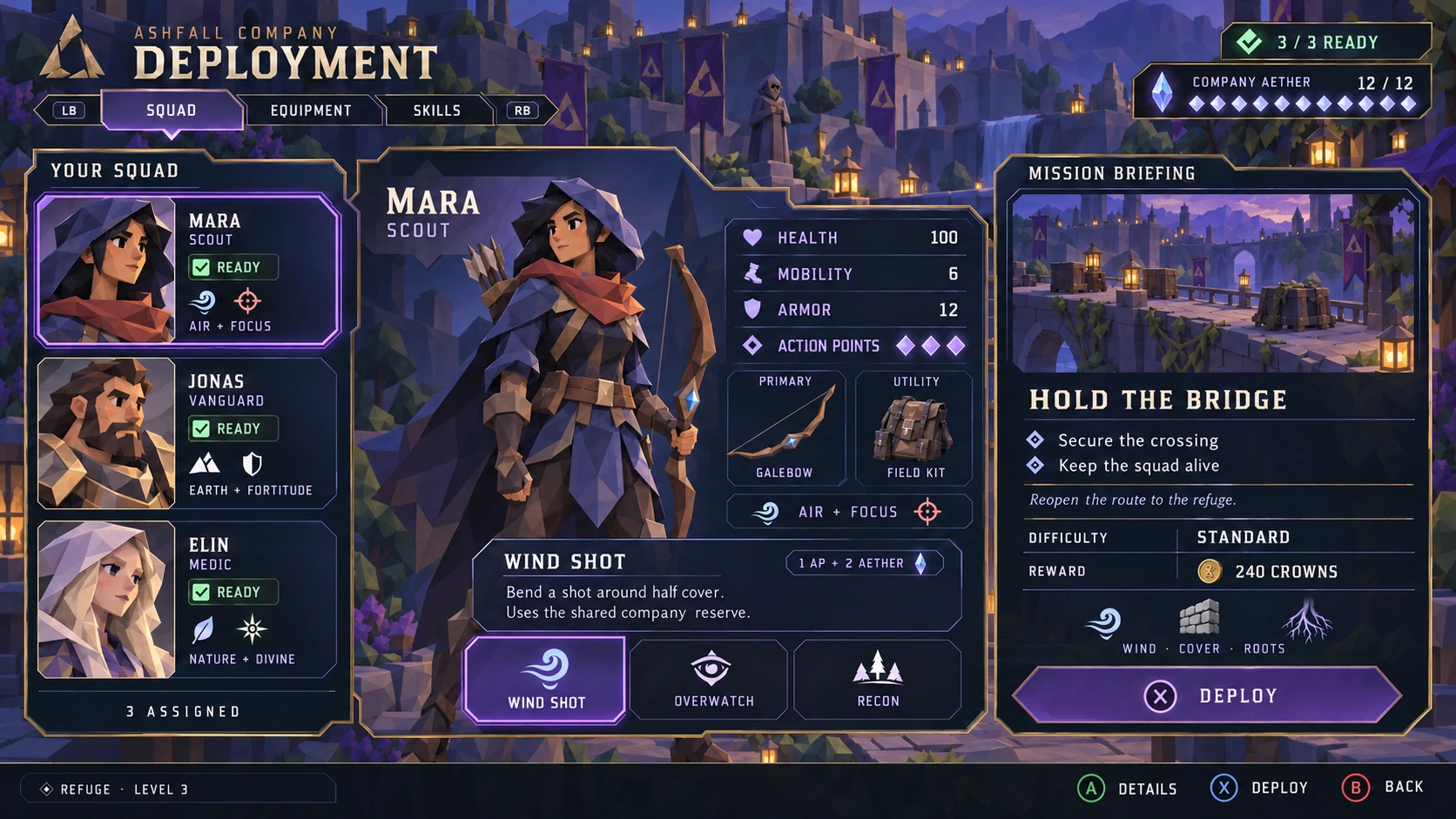
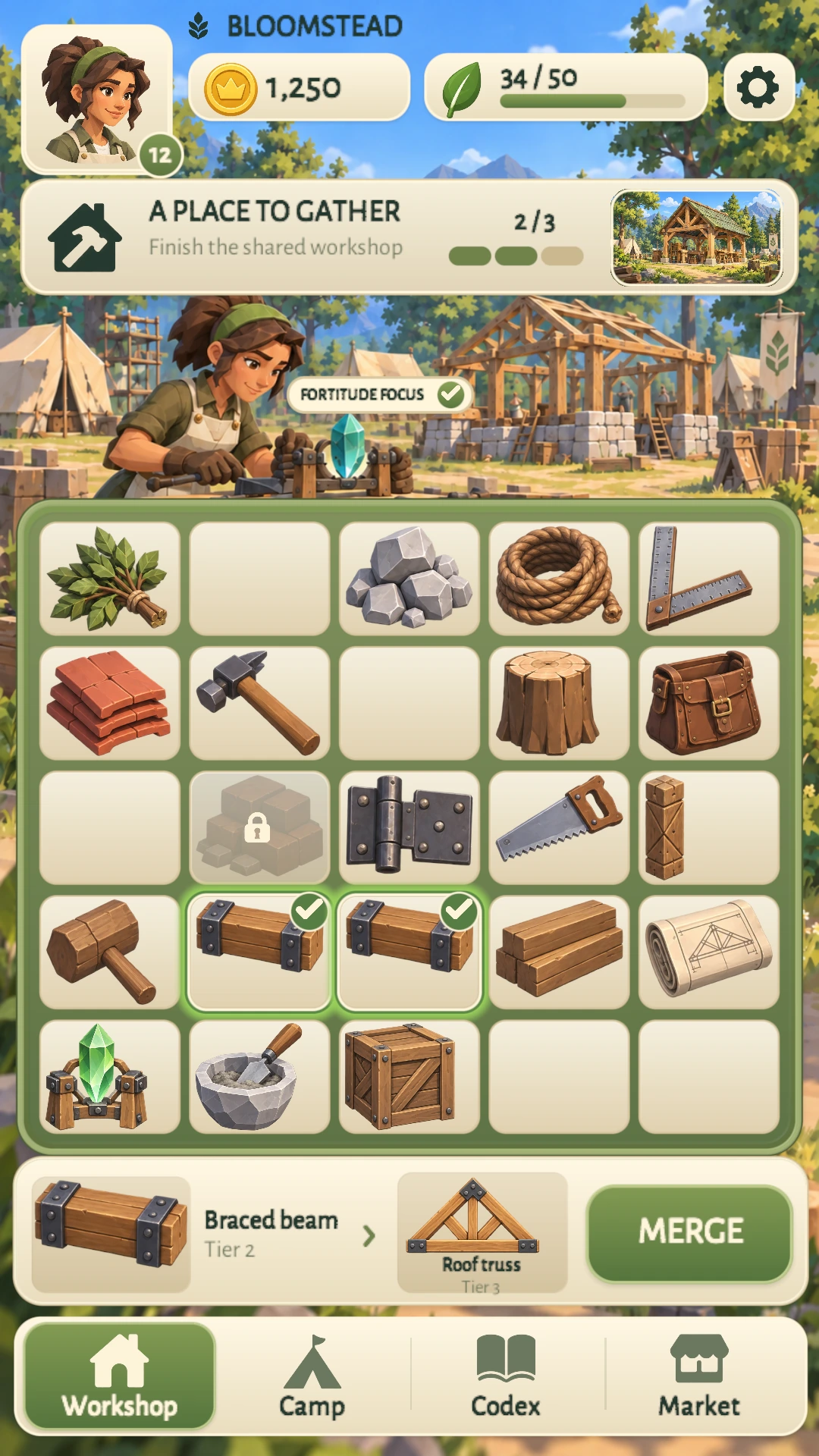
Explore the building blocks.
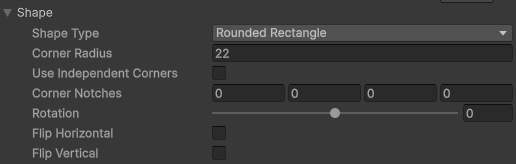
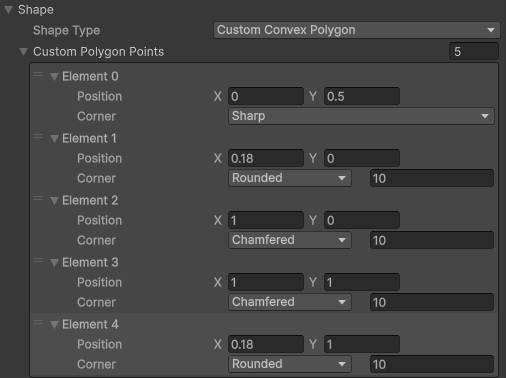
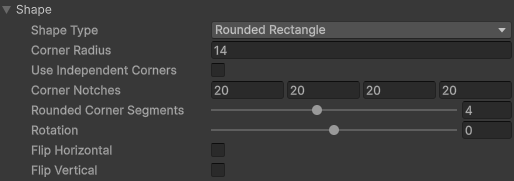
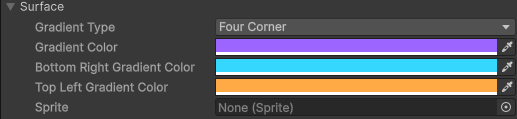
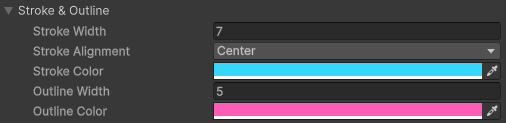
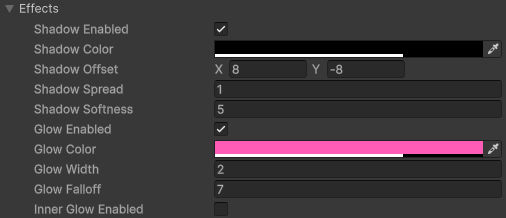
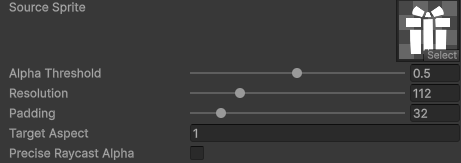
Shapes, color and effects for your interface. Captured directly in Unity.







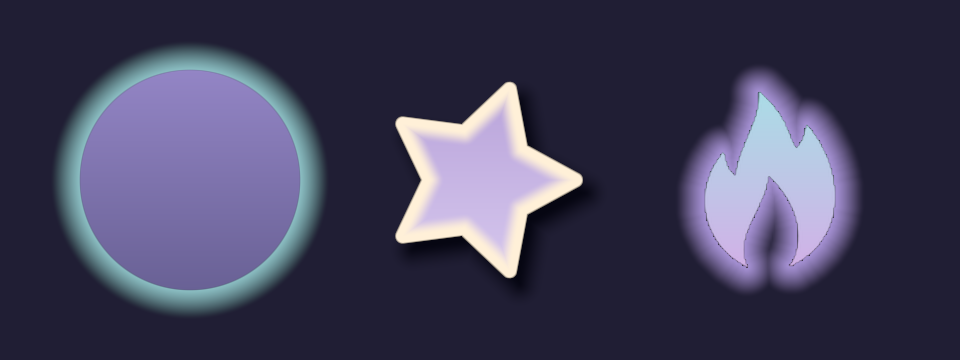
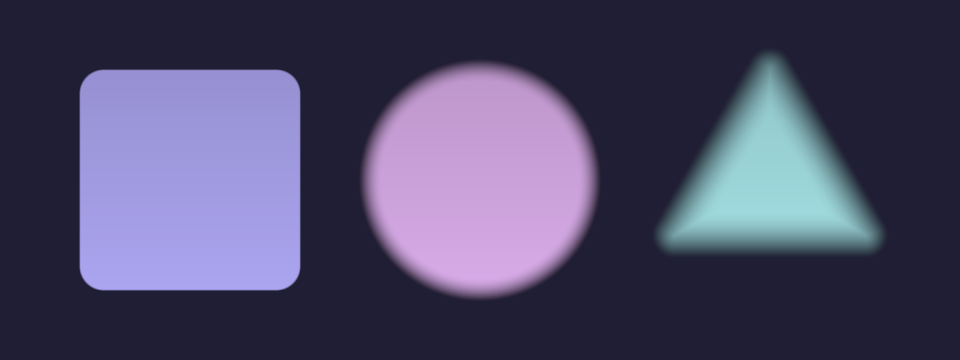
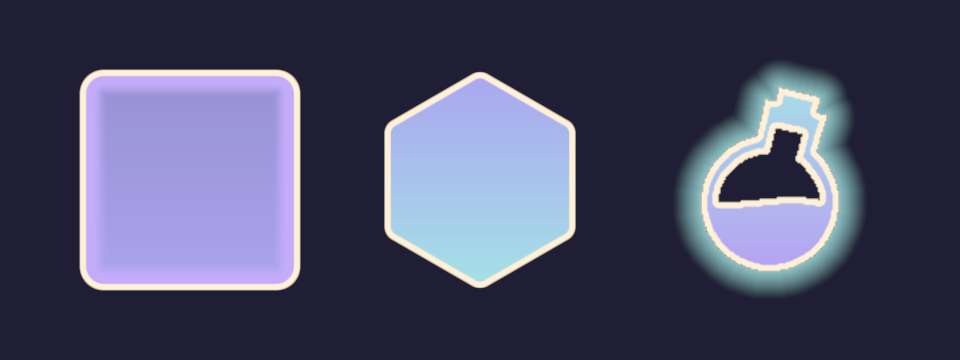

Select a preview to view its full-size source.
Know the boundaries
Scope & compatibility.
Review the intended installation and the evidence still needed before release.
Unity versions, rendering & UI systems
The customer-facing tool targets Unity uGUI. Editor inspection helpers do not make it a UI Toolkit runtime product. Unity-version and render-pipeline claims require clean-project, rendering and build evidence before publication.
Standalone packaging & dependencies
The planned release separates shared inspection tooling from Core's application lifecycle infrastructure. Procedural UI, the required Aether Inspection dependency and Unity uGUI define the intended installation boundary. The package migration and final submission format remain release work; required Aether dependencies are not intended as separate purchases.
Current limitations & release gates
The final 1.0 feature boundary, clean installs and upgrades, sample imports, serialization, rendering and performance must be verified against one release artifact. Documentation, third-party content clearance and support procedures also remain launch gates.
Availability & working together
The product. Help when you need it.
The product and its release scope are in development. Software licensing and project services are separate offers.
Software · In development
A standalone Unity asset
Procedural UI is the first planned Aether Unity Asset Store product. Its required Aether dependencies are intended to be included in one product. No store listing, price or release date is published here yet.
Ask about the productSeparately scoped services
Need custom UI work?
Project-specific UI implementation can be scoped as custom engineering. It is a separate engagement and is not required to adopt the planned Procedural UI asset.
Discuss custom UI workCompare service options & how we work together
Software licensing and project implementation are separate offers. Product-based setup and integration depend on a verified release and supported configuration; a concept page does not establish availability.
How working together works.
Start with a conversation
Describe the outcome you need. A short free fit call establishes whether the work is a fit; detailed investigation belongs in discovery.
Define the work
Where the requirements are uncertain, paid discovery produces findings, risks and a recommended path. Before delivery, we agree on inputs, deliverables, exclusions and acceptance checks.
Build, test and hand over
I deliver against the agreed scope and hand over documentation, test results and known limitations. Ongoing support is a separate agreement.

A direct line to the developer
Tell me what you're building.
Ask about Procedural UI, or describe where your project needs a hand.